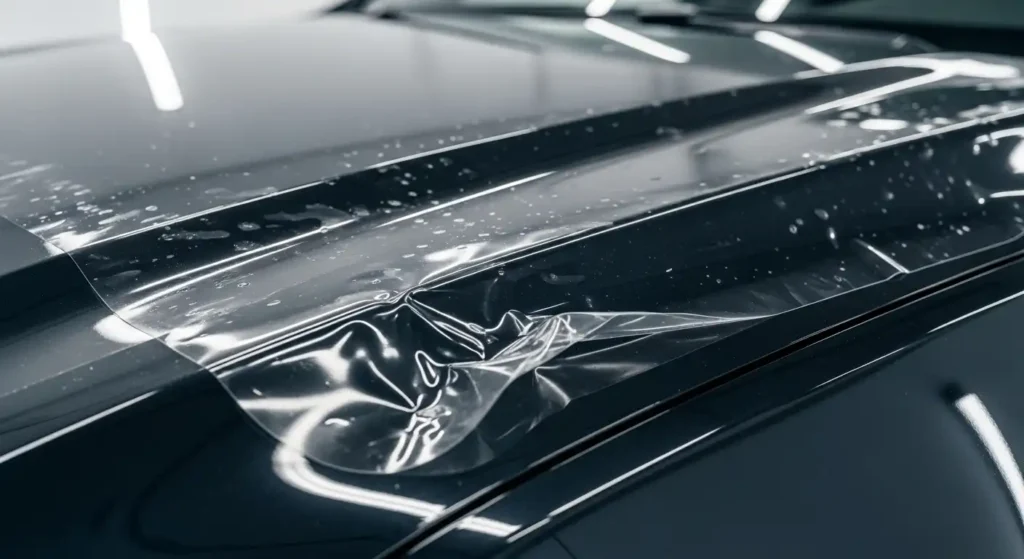
If you have invested in a custom paint job, a new vehicle, or a high-end finish, protecting that surface becomes a top priority. Even careful drivers deal with everyday hazards like rock chips, road debris, scratches, and UV exposure.
That is why paint protection film, often called PPF, has become one of the most popular vehicle protection upgrades in recent years.
In this guide, we will break down what paint protection film is, how it works, what it costs, and whether it may be the right choice for your vehicle.
What Is Paint Protection Film?
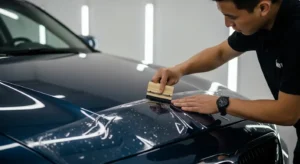 Paint protection film is a clear, durable urethane film applied to the exterior painted surfaces of a vehicle. It is designed to act as a protective barrier between your paint and the elements.
PPF is sometimes referred to as a “clear bra” because it is commonly installed on the front of the car, where impact damage is most likely.
Unlike vinyl wraps, paint protection film is not mainly for changing color. Its primary purpose is to preserve the original finish underneath.
What Does Paint Protection Film Protect Against?
PPF is designed to guard your vehicle from many common types of damage, including:
- Rock chips from highways and loose gravel
- Minor scratches caused by washing, brushes, or debris
- Road salt and chemical stains
- Bug splatter and bird droppings
- UV exposure that may cause fading over time
For custom-painted vehicles, these protections are especially valuable because paint repairs may be expensive or difficult to match perfectly.
How Does Paint Protection Film Work?
Paint protection film works by absorbing impacts and preventing direct contact with the paint surface. Modern PPF products are engineered with multiple layers, often including:
- A clear topcoat for gloss and stain resistance
- A flexible urethane layer for impact protection
- An adhesive layer that bonds safely to paint
Many high-quality films are also “self-healing,” meaning small swirl marks or light scratches may disappear when exposed to heat or sunlight.
Common Areas Where PPF Is Applied
Although full-body coverage is possible, many vehicle owners choose to apply paint protection film only to high-impact zones, such as:
- Front bumper
- Hood and fenders
- Side mirrors
- Door edges and handles
- Rocker panels
- Rear bumper loading area
These areas are most likely to experience chips and scratches during daily driving.
Paint Protection Film vs Ceramic Coating
Many people compare PPF to ceramic coating, but they serve different purposes.
Paint Protection Film
- Provides physical impact protection
- Helps prevent chips and scratches
- Thicker and more durable barrier
Ceramic Coating
- Provides chemical resistance and gloss enhancement
- Makes washing easier
- Does not stop rock chips or impacts
Some vehicle owners choose both, applying PPF first and then adding ceramic coating on top for maximum shine and protection.
How Long Does Paint Protection Film Last?
High-quality paint protection film may last anywhere from 5 to 10 years, depending on:
- Film brand and thickness
- Installation quality
- Exposure to weather and road conditions
- How well the vehicle is maintained
Most professional installers provide warranties covering yellowing, cracking, or peeling over time.
How Much Does Paint Protection Film Cost?
PPF pricing varies based on coverage and vehicle size. In general:
- Partial front coverage may range from $500 to $1,500
- Full front coverage may range from $1,800 to $3,000+
- Full-body PPF may cost $5,000 to $10,000+
While it is an investment, many owners consider it worthwhile for preserving resale value and protecting expensive custom finishes.
Is Paint Protection Film Worth It?
Paint protection film may be a great option if:
- You drive frequently on highways or gravel roads
- Your vehicle has a custom paint job
- You want to maintain showroom-quality appearance
- You plan to keep the vehicle long-term
For daily drivers in harsh environments, PPF may help prevent costly paint repairs down the road.
Choosing the Right Installer Matters
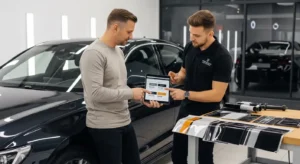 PPF installation requires skill, precision, and a clean environment. Poor installation may lead to bubbling, peeling, or visible seams.
When choosing an installer, consider:
- Experience with your vehicle type
- Warranty coverage
- Film quality and brand used
- Customer reviews and past work examples
A professional installation often makes the difference between a seamless finish and a noticeable film application.
Conclusion
Paint protection film has become one of the most effective ways to preserve a vehicle’s exterior, especially for drivers who want long-term protection against chips, scratches, and everyday wear.
Whether you choose partial coverage or full-body protection, PPF may help maintain your vehicle’s appearance and safeguard your investment in custom paint.
If you are considering paint protection film, working with a trusted installer and choosing a high-quality product can make all the difference in long-term results.